The internet has made communication, shopping, learning, and entertainment easier than ever. However, along with these benefits comes a major concern: online privacy. Almost every website today asks users to provide an email address before accessing services, downloading files, or creating accounts.
While email is an essential tool for online communication, sharing your personal email address across multiple websites can lead to several problems. These include spam emails, marketing messages, phishing attempts, and potential data leaks. Over time, your inbox can become filled with unwanted emails from companies you barely remember interacting with.
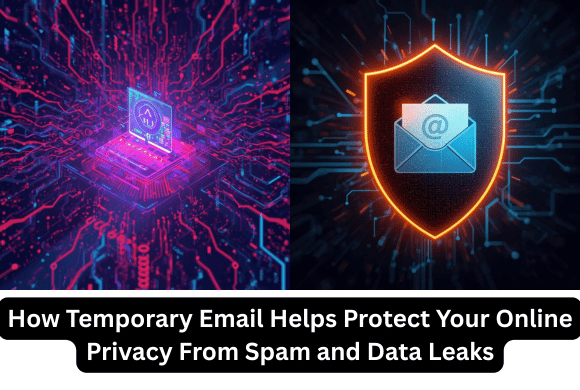
This is where temporary email services become useful. Temporary email, often called temp mail or disposable email, provides users with a short-term email address that can receive messages without exposing their real email address.
Temporary email services are designed to protect user privacy while allowing quick access to online services that require email verification. By using a temporary email address, users can avoid spam, reduce privacy risks, and maintain better control over their personal information.
In this guide, we will explore how temporary email helps protect your online privacy, how it works, its benefits, and the best ways to use it safely.
Understanding Online Privacy Risks
Before understanding how temporary email protects privacy, it is important to understand the risks involved in sharing your email address online.
Email Addresses Are Valuable Data
Your email address is one of the most valuable pieces of personal information online. Companies use email addresses to send marketing messages, promotional offers, newsletters, and advertisements.
Many businesses also store email addresses in databases. If those databases are hacked or leaked, your email address may be exposed to cybercriminals.
Spam Emails Are Increasing
Spam emails are unsolicited messages sent in bulk to thousands or millions of users. These emails may promote products, advertise services, or attempt to collect personal information.
Once your email address appears on marketing lists, it may be shared with other companies. As a result, spam messages increase significantly.
Phishing Attacks
Some emails are not just annoying—they are dangerous. Phishing emails attempt to trick users into revealing sensitive information such as passwords, credit card numbers, or login details.
Using your primary email everywhere increases the chances of receiving these harmful messages.
Data Breaches
Many websites store user information in databases. If those databases are compromised, attackers may gain access to millions of email addresses.
These addresses are often sold or shared on the dark web, which leads to more spam and potential security risks.
Because of these issues, protecting your email privacy has become increasingly important.
What Is Temporary Email?
Temporary email is a short-term email address that users can generate instantly without creating a permanent account.
Unlike traditional email services, temporary email addresses do not require:
-
Registration
-
Passwords
-
Personal details
-
Long-term storage
Users simply visit a temporary email service website, and the system automatically creates an email address. This address can receive messages for a limited time.
After a certain period, the email address and its messages are automatically deleted.
Temporary email addresses are commonly used for quick website registrations, downloading resources, or accessing content that requires email verification.
How Temporary Email Protects Your Online Privacy
Temporary email services protect your privacy in several important ways.
Keeps Your Personal Email Hidden
One of the biggest advantages of temporary email is that it prevents your real email address from being shared with websites.
Instead of using your personal email, you can use a disposable email address that will eventually expire.
This ensures your main inbox remains private.
Prevents Spam Emails
When you use a temporary email address for website sign-ups, promotional emails are sent to the disposable inbox instead of your personal email.
Since the address eventually disappears, spam emails stop automatically.
Your primary inbox remains clean and organized.
Reduces Data Exposure
Websites often collect user emails for marketing purposes. Some platforms may also share user data with partners or advertisers.
Using temporary email ensures your real email address is not stored in those databases.
Even if the website experiences a data breach, your personal email remains safe.
Helps Maintain Anonymity
Temporary email services allow users to interact online without revealing their identity.
This is useful when you want to explore a service, join a forum, or download resources without sharing personal details.
Maintaining anonymity can be an important aspect of online privacy.
Protects Against Email Tracking
Some companies track user activity through emails by embedding tracking pixels in messages.
When you open an email, the sender can track:
-
When the email was opened
-
Your location
-
Your device information
Temporary email addresses help reduce this tracking risk because they are not connected to your personal identity.
How Temporary Email Works
Temporary email services use automated systems to generate disposable email addresses and receive messages.
Here is a simple explanation of how they work.
Automatic Email Address Creation
When a user visits a temporary email website, the system instantly generates a random email address.
Users can start receiving emails immediately without registration.
Email Reception
Any email sent to the generated address appears in the inbox displayed on the website.
The inbox updates automatically as new emails arrive.
Temporary Storage
Messages are stored temporarily on the service's servers. The storage period varies depending on the platform.
Some services keep messages for 10 minutes, while others allow several hours.
Automatic Deletion
After the expiration time, the email address and all messages are permanently deleted.
This automatic deletion ensures the address cannot be reused.
Situations Where Temporary Email Is Most Useful
Temporary email services are helpful in many online situations.
Signing Up for Websites
Many websites require email verification before allowing users to access content.
Using temporary email allows quick registration without exposing your main inbox.
Downloading Free Resources
Some websites require an email address before allowing downloads such as eBooks, templates, or reports.
Temporary email helps users access these resources without receiving future promotional emails.
Testing Online Platforms
Developers and testers often use temporary email addresses to test registration systems and verification emails.
This allows them to check whether email notifications are working correctly.
Accessing Free Trials
Some platforms offer free trials that require email registration.
Temporary email allows users to test the service without receiving marketing emails later.
Benefits of Temporary Email for Privacy Protection
Temporary email services offer several advantages that help users protect their privacy.
Reduces Inbox Clutter
Spam and promotional emails can overwhelm your inbox. Temporary email helps prevent these messages from reaching your main account.
No Personal Information Required
Most temporary email services do not require personal details such as name, phone number, or address.
This reduces the amount of personal information shared online.
Instant Access
Temporary email addresses are generated instantly, allowing users to receive emails immediately.
There is no sign-up process or account setup.
Automatic Cleanup
Since temporary email addresses expire automatically, users do not have to manage or delete old messages.
This keeps the system simple and efficient.
Limitations of Temporary Email
Although temporary email services provide many benefits, they also have limitations.
Short-Term Access
Temporary email addresses are not designed for long-term communication. Messages are deleted after a short period.
Public Inboxes
Some temporary email services do not require passwords, meaning inboxes may be publicly accessible.
Because of this, temporary email should not be used for sensitive information.
Blocked by Some Websites
Certain websites detect and block temporary email domains to prevent misuse.
In such cases, users may need to use a permanent email account.
Best Practices for Using Temporary Email
To use temporary email safely and effectively, consider the following tips.
Use It for Non-Important Activities
Temporary email should be used for quick sign-ups, downloads, or testing services.
Important accounts should always use a secure permanent email address.
Avoid Sensitive Communication
Never use temporary email for financial services, banking, or confidential information.
Save Important Information Quickly
Since temporary emails expire quickly, make sure to save any important information before it disappears.
Choose Reliable Temporary Email Services
Some temporary email platforms offer faster delivery, better security, and longer expiration times.
Using a reliable service improves the overall experience.
The Growing Importance of Email Privacy
As internet usage continues to grow, privacy concerns are becoming more serious.
Companies collect large amounts of user data, including email addresses. At the same time, cyber threats such as phishing attacks and data breaches are increasing.
Users are becoming more aware of these risks and looking for ways to protect their personal information.
Temporary email services provide a simple and effective solution for maintaining privacy while using online platforms.
They allow users to interact with websites without permanently sharing their personal email address.
Future of Temporary Email Services
Temporary email services are expected to become even more popular in the coming years.
As online registrations increase, users will continue searching for ways to protect their personal inboxes.
Developers are also improving temporary email platforms by adding features such as:
-
Faster email delivery
-
Multiple disposable inboxes
-
Custom email addresses
-
Better privacy protection
At the same time, websites are working to detect and limit disposable emails to prevent abuse.
This ongoing balance between user privacy and platform security will shape the future of temporary email services.
Conclusion
Protecting online privacy has become a major concern in the digital world. Sharing your personal email address across multiple websites can expose you to spam, marketing messages, and potential data breaches.
Temporary email services offer a simple solution to this problem. By providing disposable email addresses that expire automatically, they allow users to receive emails without revealing their real email address.
Using temporary email helps reduce spam, protect personal data, and maintain greater control over your online privacy.
However, temporary email should only be used for short-term activities such as quick registrations, downloads, and testing websites. Important accounts should always use secure, permanent email services.
When used correctly, temporary email can be a powerful tool for protecting your digital identity and maintaining a cleaner, safer online experience.